
The infrastructure advantage: Building the next generation of US port connectivity in Mobile
Modern ports compete on infrastructure as much as geography. At the Port of Mobile, investments in terminal capacity, rail connectivity, and channel depth are creating a logistics ecosystem designed for speed, resilience and long-term supply chain performance.
In global logistics, infrastructure is often the difference between a port that simply handles cargo and one that becomes a strategic gateway.
At the Port of Mobile, a coordinated series of investments is redefining how cargo moves through the US Gulf Coast and into inland markets.
Rather than waiting for demand to force expansion, Mobile has taken a proactive approach – investing in capacity, connectivity, and efficiency ahead of future growth.
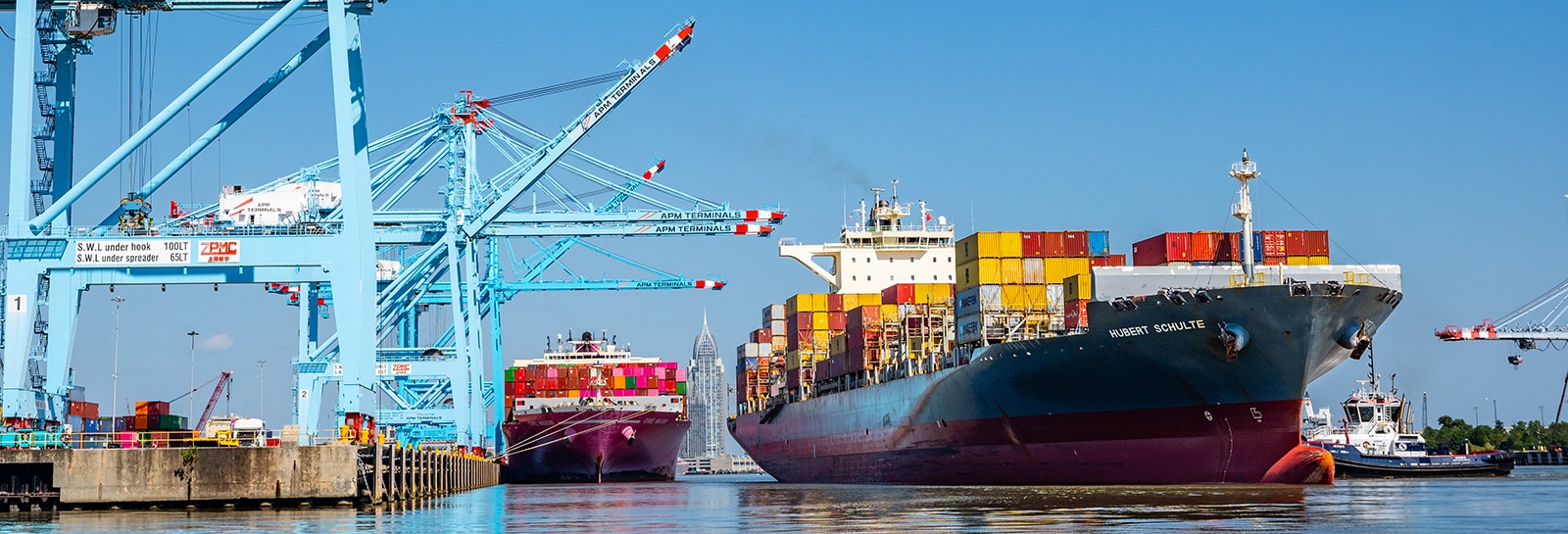
 At the centre of this strategy is APM Terminals Mobile.
The facility is expanding its capacity while introducing new equipment capable of handling larger vessels and higher volumes of cargo. Modern ship-to-shore cranes and expanded yard space are helping the terminal increase operational efficiency and accommodate the scale of today’s global shipping networks.
But the most significant developments extend beyond the terminal itself. Rail connectivity has become one of the terminal’s key advantages.
Five Class I railroads serve the port, providing direct connections to major logistics and manufacturing hubs across the Midwest. This network allows cargo arriving on the Gulf Coast to move quickly to inland markets such as Memphis, Chicago, Indianapolis and Detroit.
To further strengthen this capability, the port and its partners are expanding intermodal rail infrastructure. Additional working tracks, expanded container storage areas, and new rail-mounted gantry cranes will increase the port’s rail handling capacity and improve the speed at which containers move from ship to train.
A new inter-terminal connector bridge, often referred to as the “flyover”, will further streamline these operations by linking the container terminal directly with the “on-dock” rail facility. The elevated connection allows cargo to move between ship and rail without traffic conflicts, improving safety and operational velocity.
A new intermodal container transfer facility in Montgomery, Alabama, will connect central parts of the state directly to global shipping networks. This inland hub will help move containers more efficiently while reducing truck traffic on highways.
At the same time, waterside infrastructure is advancing as well. Channel deepening and harbor modernisation projects are enabling larger vessels to access the port, improving economies of scale and increasing the efficiency of container shipping routes.
Taken together, these investments form a broader logistics ecosystem designed for the future of global trade. Through its integrated infrastructure strategy, Mobile is positioning itself to meet those expectations – and to play a growing role in the next generation of US supply chain networks.
Spotlight on Mobile, Alabama
APM Terminals shares its perspective on the strategic role Mobile can play in enhancing supply chain resilience across the United States. Read how infrastructure investments and regional connectivity are unlocking new opportunities for cargo flow and economic growth.