Trade depends on infrastructure that can keep pace with the changing dynamics of global business. We invest where stronger terminals can improve supply chain resilience and help customers, economies and communities prosper.
Shifting patterns of global trade, geopolitical volatility and growing pressures on port and landside infrastructure are reshaping global supply chains. Efficient, high-performing terminals provide the capacity and reliability that shipping networks need to perform and that countries need to compete.
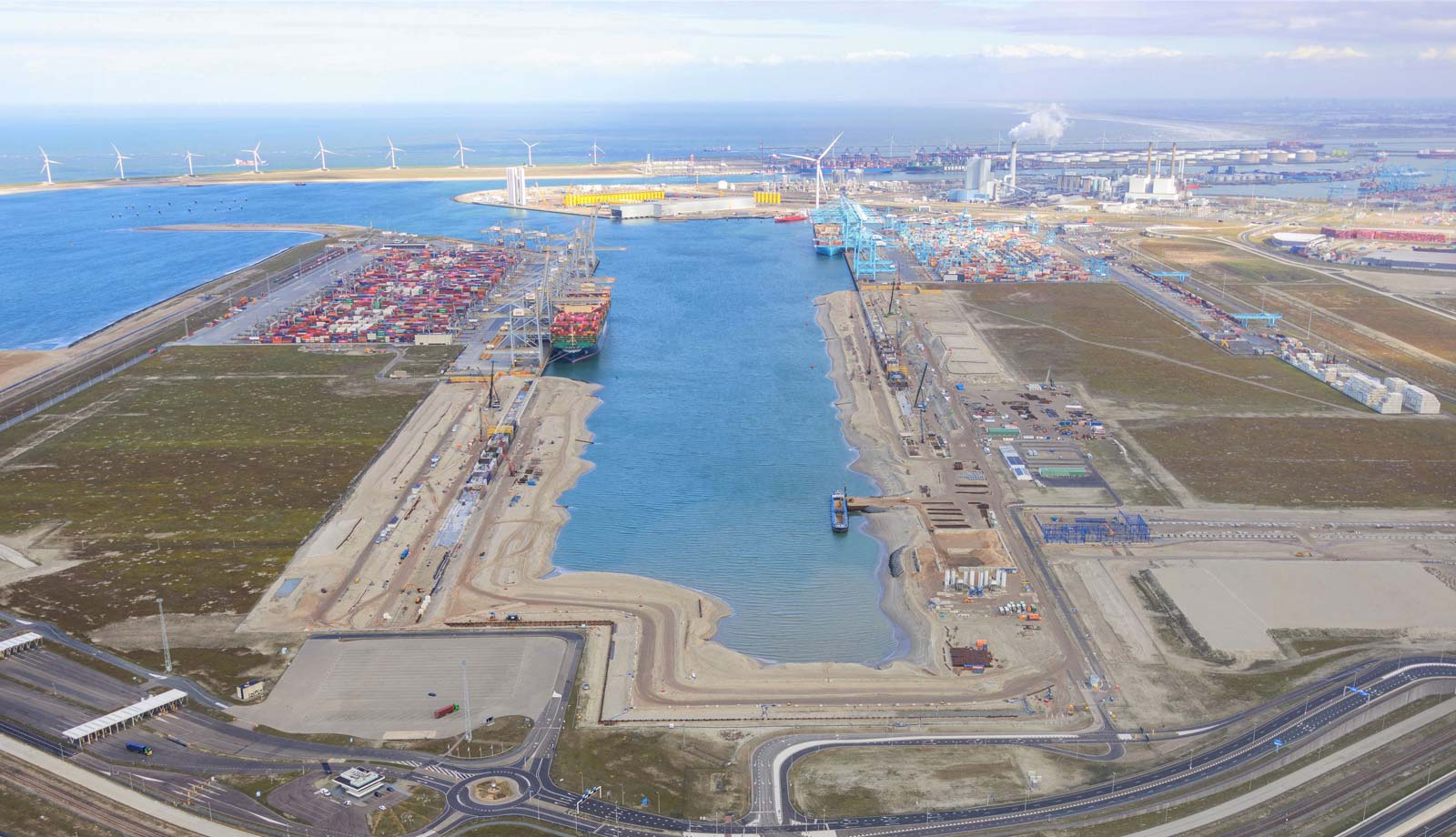
Our approach is disciplined and long term. We modernise existing terminals, expand capacity in strategic locations and develop new gateways where infrastructure is needed to keep pace with growing demand.
Strengthening our portfolio
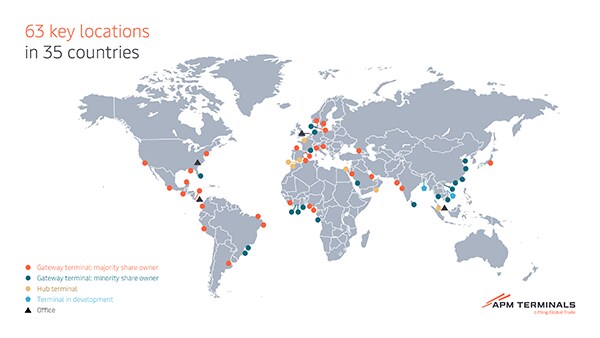
We focus on locations where long-term trade growth, customer demand and infrastructure needs converge. A diversified portfolio of gateway and hub terminals across mature and emerging markets gives us the flexibility to respond quickly to macro-economic shifts.
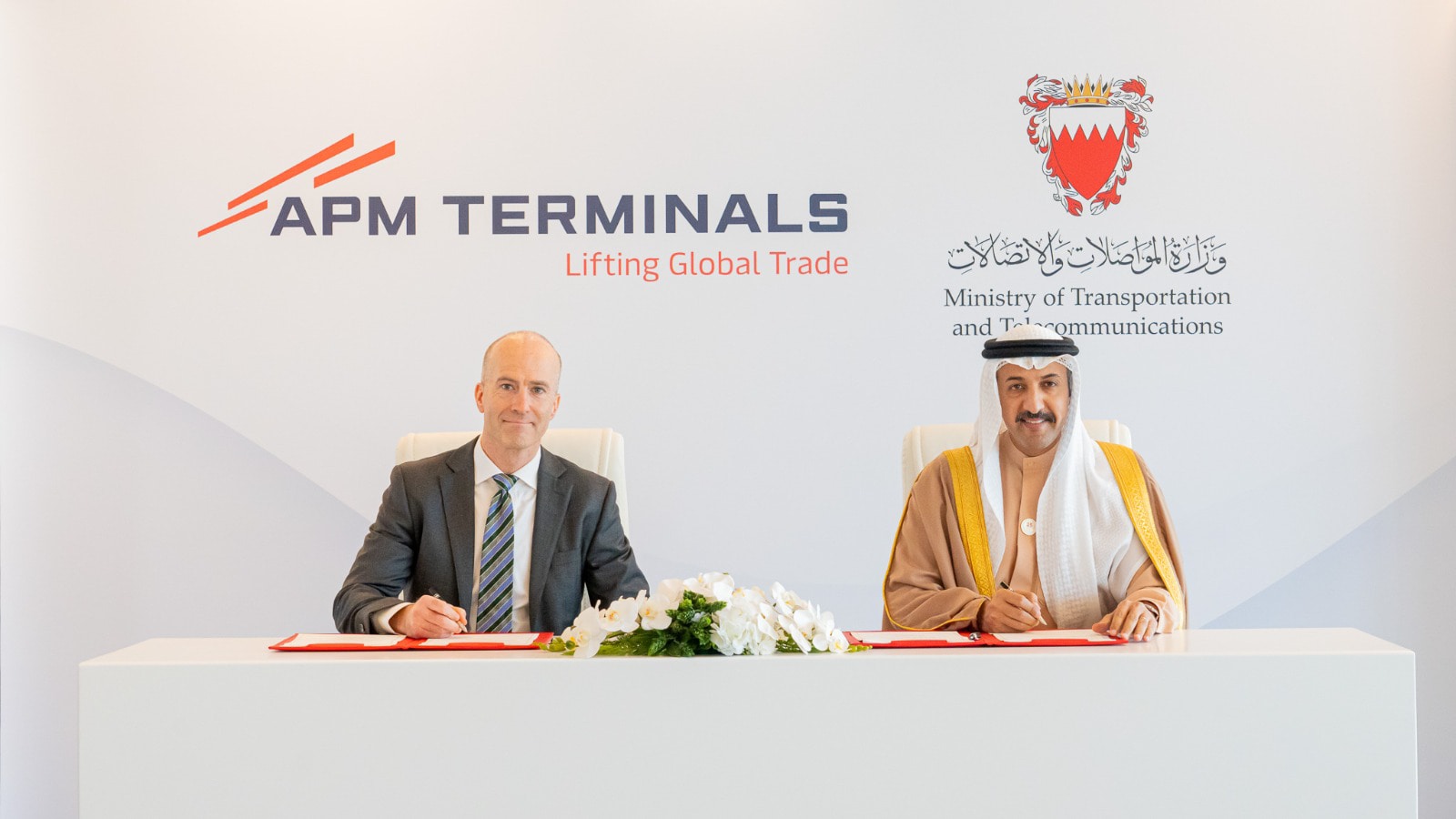
Across our portfolio, we work with governments, port authorities and local partners to align long-term investment with national priorities. Combining public stewardship, private capital and operational expertise accelerates infrastructure development and creates lasting value.
Building capacity for future trade
The need for new capacity is greatest where trade is already outgrowing current infrastructure.
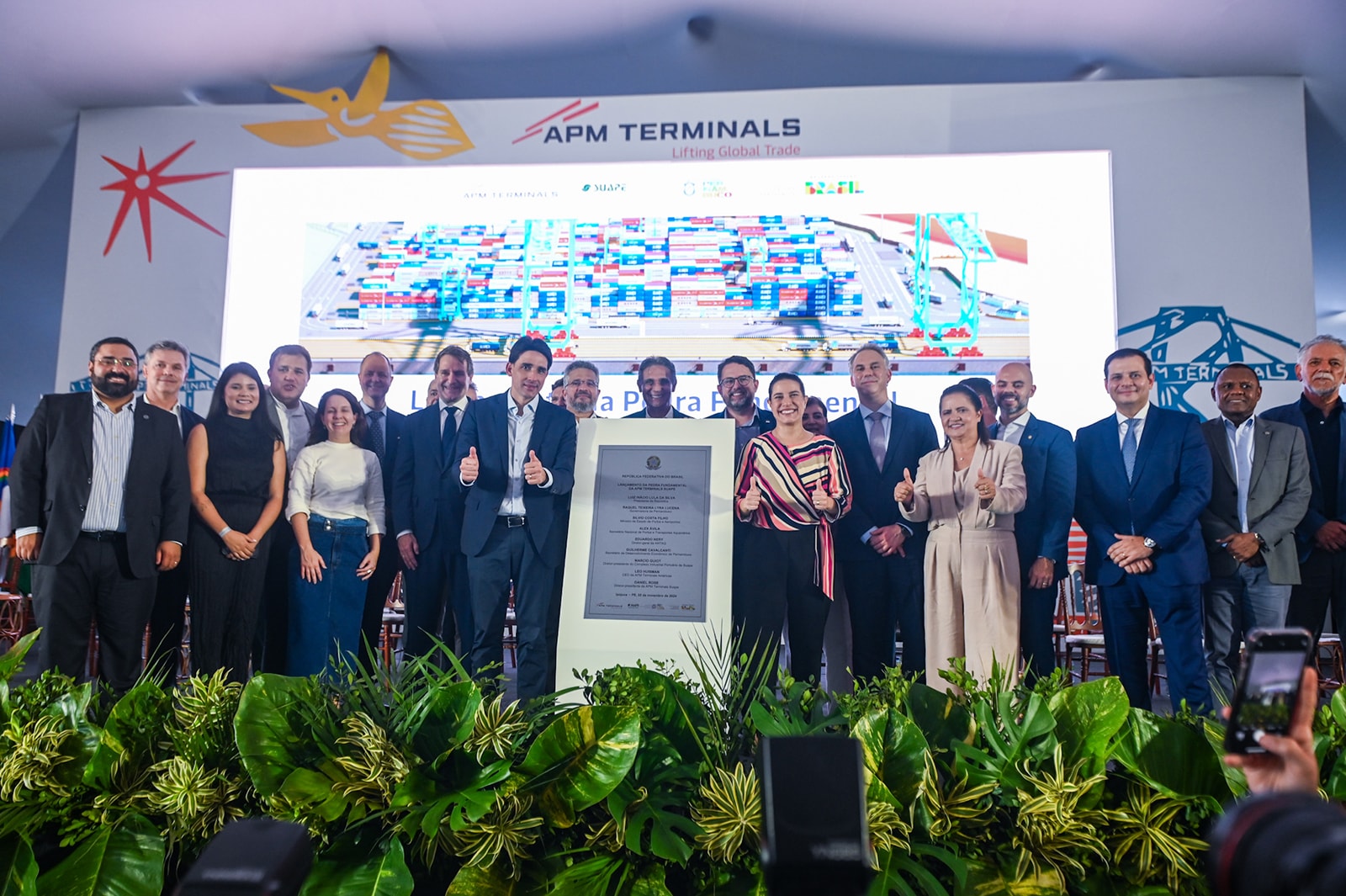
In Brazil, APM Terminals Suape represents an investment of more than USD 350 million. The fully electrified terminal will provide an initial annual capacity of 400,000 TEU and increase the container-handling capacity of the Suape Port Complex by 55%.
In Bangladesh, APM Terminals Laldia is a USD 550 million public-private partnership that will add more than 800,000 TEU of annual capacity at the port. The terminal will make it possible for larger vessels to call at Chattogram and will improve supply-chain reliability for the country's export economy.
In Vietnam, a new terminal in Da Nang will support the expanding industrial base of central Vietnam.
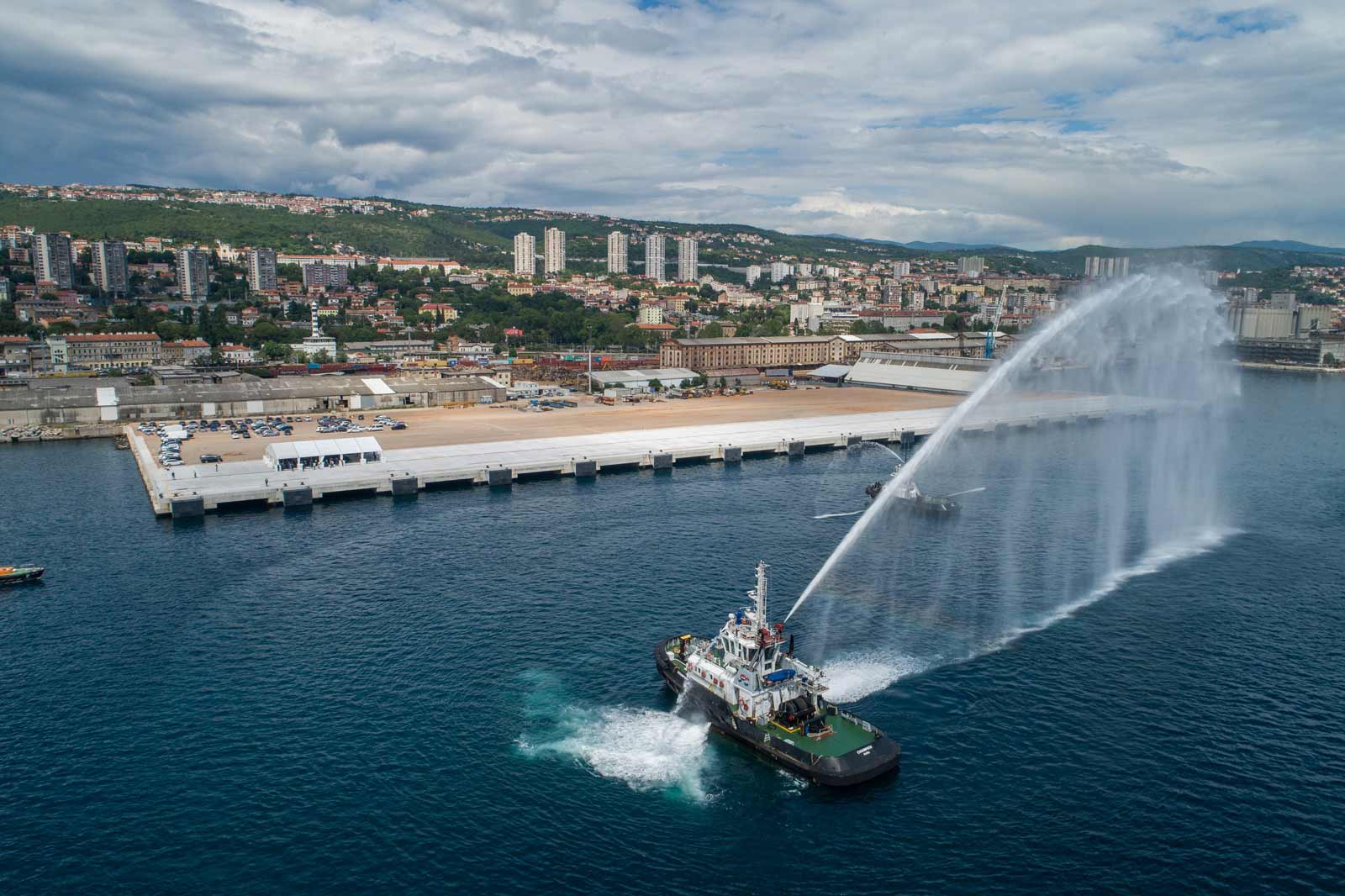
In Croatia, Rijeka Gateway is strengthening the North Adriatic's role as a gateway to Central Europe.
Modernising strategic gateways
Growth is not only about developing new terminals. It also means creating more capacity and improving performance at existing sites.
As vessels become larger, pressure moves beyond the quay to terminal yards, gates, roads and railways. Our modernisation programmes, therefore, focus on improving the entire flow of cargo between land and sea.
In Germany, APM Terminals and Eurogate plan to invest EUR 1 billion in the North Sea Terminal Bremerhaven. This investment will increase annual capacity from three million to four million TEU.
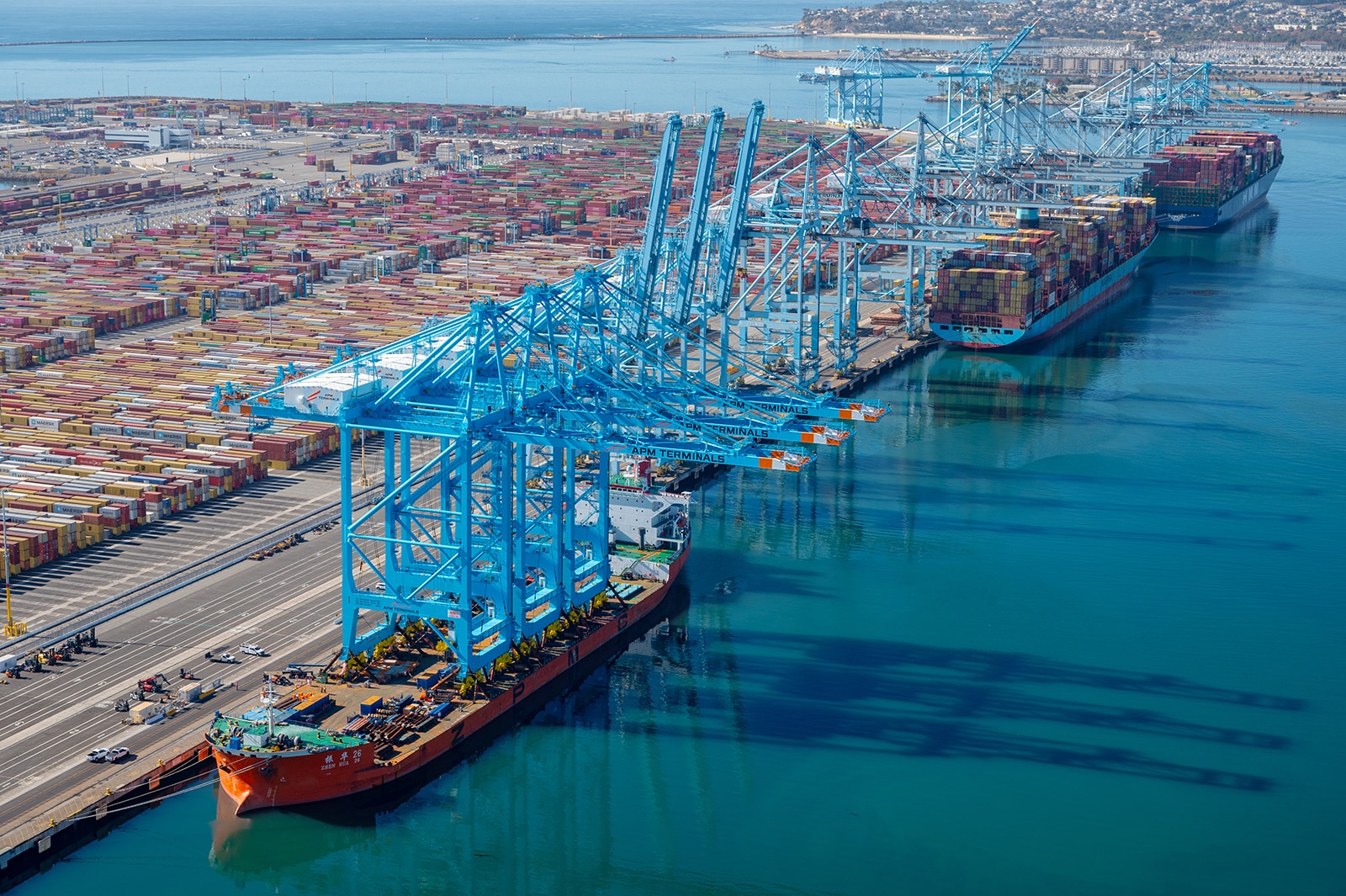
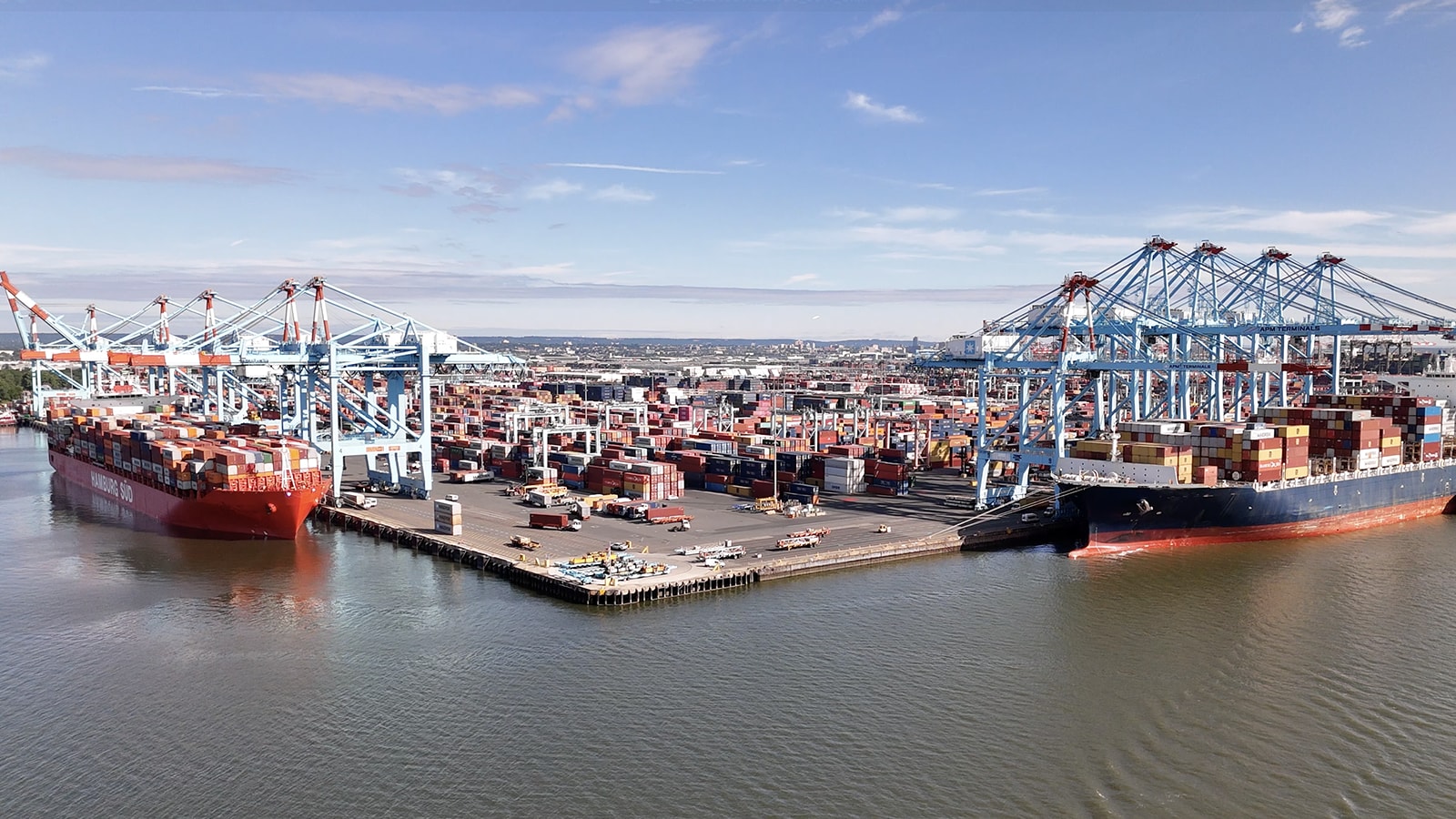
In the United States, modernisation at Pier 400 in Los Angeles, APM Terminals Elizabeth in New Jersey and APM Terminals Mobile in Alabama is increasing the capacity and reliience of key trade gateways.
Technology supports this progress, but operational discipline comes first. We improve and standardise processes before applying automation where it can make operations safer, more reliable and more productive.
Creating long-term value through better ports
Our ambition is not simply to build bigger terminals; it is to create stronger trade gateways that give customers greater certainty and that help countries maximise the potential of their ports.
By combining disciplined investment, operational excellence and trusted partnerships, APM Terminals is strengthening the infrastructure on which global trade depends. This helps customers grow with confidence while supporting more resilent supply chaings and long-term economic development.